Telepharmacy Trends 2026 by Kim Volman: Expanding Access Through Remote Dispensing
Telepharmacy is no longer an emerging concept; it has become a practical and essential part of modern healthcare delivery. As we move through 2026, remote dispensing and virtual pharmacist services are playing a critical role in expanding access to medications, particularly for rural and underserved communities. Advances in technology, evolving regulations, and changing patient expectations have positioned telepharmacy as a key component of hybrid care models.
Drawing from real-world pharmacy operations and leadership experience, Kim Volman highlights how telepharmacy is reshaping access, compliance, and patient trust while maintaining the high standards expected of pharmacy practice.
The Growing Role of Telepharmacy in Healthcare Access
Telepharmacy allows licensed pharmacists to provide services such as prescription review, medication counseling, and clinical oversight without being physically present at the dispensing location. This model has proven especially valuable in areas facing pharmacist shortages, pharmacy closures, or geographic barriers to care.
In rural communities, patients often travel long distances for basic pharmacy services. Telepharmacy reduces this burden by connecting patients to pharmacists through secure digital platforms while medications are dispensed locally through approved remote systems. The result is faster access to care, improved medication adherence, and fewer interruptions in therapy.
Beyond rural areas, telepharmacy also supports underserved urban populations, long-term care facilities, and outpatient clinics that require flexible pharmacy coverage without sacrificing safety or quality.
How Remote Dispensing Improves Patient Outcomes
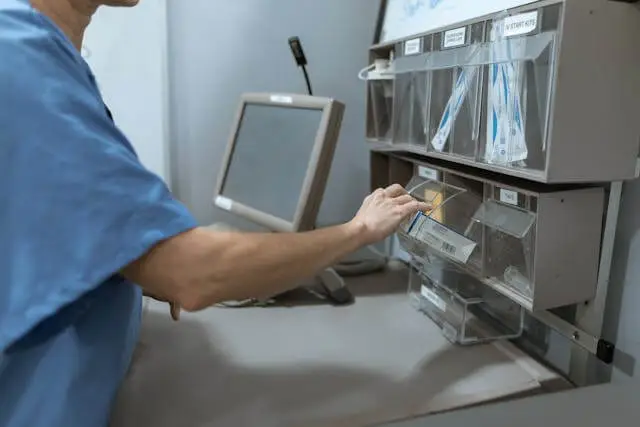
Remote dispensing systems, when combined with pharmacist oversight, allow medications to be prepared and delivered efficiently while maintaining accuracy. Automated dispensing technology, real-time prescription verification, and virtual consultations ensure that patients receive the same level of professional attention they would expect in a traditional pharmacy.
For patients managing chronic conditions, telepharmacy offers consistent follow-up, easier access to counseling, and timely medication adjustments. These factors contribute to better adherence and improved clinical outcomes, particularly for patients who previously struggled to engage with in-person services.
Maintaining Compliance in Telepharmacy Operations
Regulatory compliance remains one of the most important considerations in telepharmacy. In 2026, successful telepharmacy programs are built on clear protocols, secure technology, and strong oversight by licensed pharmacists.
Pharmacists maintain compliance by:
- Following jurisdiction-specific regulations for remote dispensing
- Using secure, encrypted platforms for patient communication
- Documenting all consultations, verifications, and interventions
- Ensuring proper technician training and supervision
- Conducting regular audits and quality assurance reviews
Kim Volman emphasizes that telepharmacy is not about reducing professional responsibility. It often requires even greater attention to detail, documentation, and operational discipline than traditional pharmacy models.
Building Patient Trust Through Virtual Engagement
One of the biggest misconceptions about telepharmacy is that it weakens the pharmacist-patient relationship. In reality, many patients report feeling more comfortable asking questions in a virtual setting, especially when time pressures are reduced.
Building trust remotely relies on clear communication, empathy, and consistency. Pharmacists who take time to explain medications, listen to patient concerns, and follow up proactively can create strong relationships even without face-to-face interaction.
Simple practices such as maintaining eye contact during video calls, using plain language, and personalizing counseling sessions go a long way in making telepharmacy feel human and supportive rather than transactional.
Integrating Telepharmacy Into Hybrid Care Models
The future of pharmacy care lies in hybrid models that combine in-person services with virtual support. Telepharmacy does not replace traditional pharmacies; instead, it extends their reach and enhances their efficiency.
In hybrid models, patients may visit a physical location for medication pickup while receiving counseling, medication therapy management, or follow-up care remotely. Healthcare systems benefit from better resource allocation, while patients enjoy greater convenience and continuity of care.
For pharmacy leaders and healthcare organizations, integrating telepharmacy requires strategic planning, staff training, and alignment with broader clinical workflows. When done correctly, it strengthens the overall care ecosystem rather than fragmenting it.
Looking Ahead
Telepharmacy trends in 2026 clearly show that remote dispensing is not a temporary solution; it is a sustainable, scalable approach to improving healthcare access. As technology continues to advance and regulations adapt, telepharmacy will play an increasingly central role in delivering safe, patient-centered pharmaceutical care.
By focusing on compliance, trust, and thoughtful integration into hybrid care models, pharmacists can use telepharmacy to reach more patients without compromising professional standards. As Kim Volman demonstrates through practical experience, the future of pharmacy is not just digital; it is accessible, accountable, and deeply patient focused.